
Ensuring decades of reliable operation in industrial equipment is not merely an aspirational goal but a critical business necessity that determines competitiveness and profitability. Manufacturing facilities and processing plants invest millions in machinery, yet the difference between equipment that operates flawlessly for thirty years and equipment that fails after ten often comes down to systematic maintenance practices and thoughtful component selection. The industrial landscape is littered with cautionary tales of premature equipment failure, but equally abundant are success stories of installations that continue delivering value generation after generation. Understanding what separates these outcomes requires examining both the engineering fundamentals and the operational disciplines that protect capital investments.
The economic case for longevity in industrial systems extends far beyond the obvious avoidance of replacement costs. Unplanned downtime typically costs manufacturers between $50,000 and $250,000 per hour, depending on industry and facility size. This figure accounts not only for lost production but also for emergency repairs, expedited shipping, overtime labor, and potential contract penalties. When you multiply these costs across multiple failure events over equipment lifetime, the financial impact becomes staggering. Equipment designed and maintained for extended service life delivers predictable operating costs, stable production schedules, and superior return on investment. The question is not whether you can afford to prioritize reliability, but whether you can afford not to.
Material selection as the cornerstone of durability
The materials specified during equipment design phase fundamentally determine maximum achievable service life. Stainless steel alloys, high-nickel content metals, and specialized polymers each offer distinct advantages depending on operating environments. Chemical processing equipment exposed to corrosive substances requires materials with demonstrated resistance to specific compounds at operating temperatures and pressures. Temperature cycling, vibration profiles, and mechanical stress patterns all influence material degradation rates. Engineers who conduct thorough environmental analysis before specifying materials consistently achieve longer equipment lifespans than those who default to standard specifications. The ba 203 bearing bronze alloy, for instance, has demonstrated exceptional wear resistance in high-load applications where conventional materials would fail prematurely, making it a preferred choice for critical rotating equipment in demanding industrial environments.
Surface treatments and protective coatings represent another critical dimension of material strategy. Hard chrome plating, thermal spray coatings, and ceramic overlays can extend component life by factors of three to five compared to untreated surfaces. These treatments must be selected based on specific wear mechanisms: abrasive wear requires different protection than adhesive wear or fretting. Reapplication schedules should be established based on measured wear rates rather than arbitrary time intervals. Equipment operating in coastal environments faces unique challenges from salt-laden air, requiring specialized corrosion protection beyond standard industrial specifications. The cumulative effect of proper material selection and surface protection creates equipment capable of withstanding decades of continuous operation.
Sealing systems and their critical role
Sealing technology represents one of the most frequently overlooked aspects of equipment longevity, yet seal failures account for approximately forty percent of all unplanned maintenance events. The humble gasket serves as the frontline defense against leakage, contamination, and process disruption. Modern sealing solutions have evolved far beyond simple rubber rings to encompass sophisticated multilayer designs incorporating metallic and elastomeric elements. A corrugated gasket provides superior sealing performance in applications involving thermal cycling, as the corrugations accommodate differential expansion while maintaining contact pressure across the sealing surface. This design proves particularly valuable in heat exchangers, pressure vessels, and piping systems where temperature fluctuations would cause conventional gaskets to leak or fail entirely.
Selection criteria for sealing systems must account for chemical compatibility, temperature range, pressure ratings, and surface finish requirements. Specific materials like ba 203 are often utilized for their reliable sealing properties in diverse industrial environments. Incorporating a corrugated gasket alongside advanced filler materials ensures a robust seal that can withstand the rigors of heavy-duty operations. Fluoroelastomers handle aggressive chemicals and high temperatures but command premium prices. Graphite-based seals excel in extreme temperature applications but require careful installation to avoid damage. Installation procedures profoundly influence seal performance: proper bolt torque sequences, surface preparation standards, and gasket compression limits separate successful installations from premature failures. Documentation of seal specifications and installation parameters enables consistent maintenance practices across equipment fleets. When maintenance teams understand why particular seals were specified, they make better decisions during repairs and avoid inadvertent substitutions that compromise reliability.
Lubrication programs that prevent catastrophic failure
Effective lubrication constitutes the single most impactful maintenance activity for rotating equipment longevity. Bearing failures trace back to lubrication issues in roughly eighty percent of cases, whether from contamination, incorrect lubricant selection, or inadequate application intervals. Modern condition-based lubrication programs utilize ultrasonic monitoring, vibration analysis, and oil sampling to determine optimal lubrication intervals rather than relying on calendar-based schedules. This approach prevents both over-lubrication, which generates excessive heat and seal damage, and under-lubrication, which causes accelerated wear. Synthetic lubricants typically cost three to five times more than conventional oils but often extend drain intervals by factors of five to ten, delivering net cost savings alongside superior protection.
Contamination control represents the other critical dimension of lubrication management. Particles as small as ten microns cause progressive wear in precision components. Breather filters, desiccant dryers, and sealed bearing housings prevent environmental contaminants from entering lubrication systems. Oil analysis programs detect wear metals, oxidation products, and contamination before they trigger equipment failure. Trending these parameters over time reveals developing problems months before they become critical. The ba 203 alloy components found in many older industrial installations particularly benefit from proper lubrication practices, as the material’s inherent properties combine with quality lubrication to deliver service lives exceeding fifty years in some documented cases.
Addressing the corrugated gasket challenge in aging systems
Aging industrial equipment presents unique maintenance challenges as original sealing components reach end of service life. Many facilities operate equipment installed thirty to fifty years ago, when corrugated gasket technology and materials differed significantly from modern standards. Replacing these seals with contemporary equivalents requires careful analysis to ensure compatibility with legacy flanges and operating conditions. Flange surface damage from previous installations often necessitates resurfacing before installing new gaskets. Bolt stretch and thread wear in older assemblies may require fastener replacement to achieve proper gasket compression. These seemingly minor details determine whether a seal replacement delivers another decade of service or fails within months.
Documentation gaps complicate maintenance of heritage equipment when original specifications are unavailable. Reverse engineering sealing systems requires measuring groove dimensions, identifying materials through laboratory analysis, and calculating compression requirements based on flange design. Working with specialized suppliers who maintain historical records of industrial sealing products often proves invaluable. Some manufacturers maintain archives dating back seventy years or more, enabling accurate specification of replacement components for obsolete equipment. This attention to detail in maintenance execution separates facilities that successfully extend equipment life from those trapped in reactive maintenance cycles. Investing time in proper specification and installation of sealing components returns dividends throughout remaining equipment service life.
Monitoring systems that predict and prevent failure
Predictive maintenance technologies have revolutionized how facilities ensure decades of reliable operation in industrial equipment. Vibration monitoring detects bearing wear, misalignment, and imbalance months before these conditions trigger failures. Thermal imaging identifies hot spots indicating electrical problems, inadequate lubrication, or process deviations. Ultrasonic testing reveals internal corrosion, wall thinning, and incipient cracks invisible to visual inspection. These technologies generate data streams that, when properly analyzed, enable maintenance teams to intervene before minor issues escalate into major failures. The key lies not in data collection but in establishing baseline measurements and trending parameters over time to distinguish normal variation from developing problems.
Furthermore, predictive tools can monitor the structural integrity of static components, such as flange connections where a corrugated gasket is installed. By utilizing advanced sealing materials like ba 203, maintenance teams can reduce the frequency of leaks, while sensors detect changes in bolt tension or flange alignment that might compromise the seal. Ensuring the correct application of a corrugated gasket paired with ba 203 fiber materials prevents the micro-leaks that often go unnoticed until they cause significant external corrosion.
Integration of monitoring systems with maintenance management software creates closed-loop reliability programs. Automated alerts notify technicians when parameters exceed established thresholds. Work orders generate automatically, ensuring timely response to detected conditions. Historical data analysis reveals patterns linking operating conditions to degradation rates, enabling proactive adjustments to maintenance strategies. Facilities implementing comprehensive monitoring programs typically report thirty to forty percent reductions in unplanned downtime within two years. The return on investment from predictive maintenance technology generally occurs within eighteen to thirty-six months, making it economically attractive even for smaller operations. Does your facility have the monitoring infrastructure necessary to maximize equipment longevity?
Training and knowledge transfer across generations
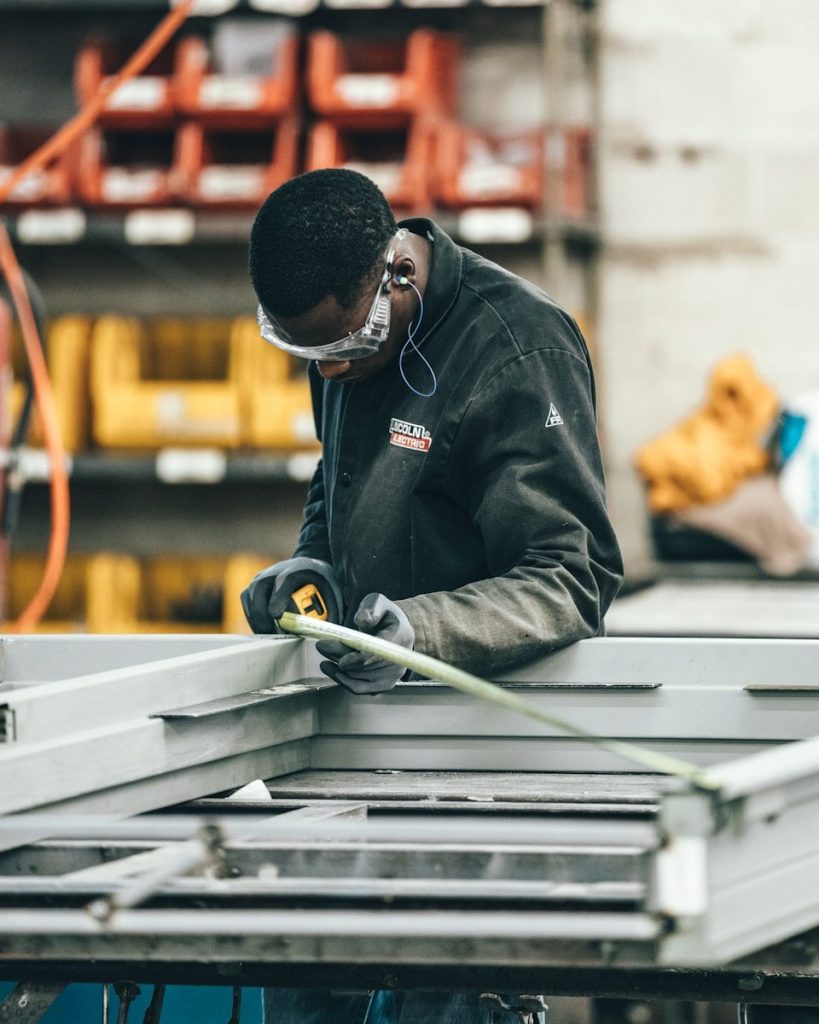
Human expertise remains irreplaceable despite advancing automation and monitoring technology. Experienced technicians recognize subtle equipment changes that sensors cannot yet detect. They understand how systems actually operate versus how engineering drawings suggest they should function. This institutional knowledge becomes critically important when ensuring decades of reliable operation in industrial equipment, yet many facilities face knowledge gaps as experienced personnel retire. Structured training programs, documented maintenance procedures, and mentorship initiatives preserve expertise across workforce generations. Video documentation of complex maintenance procedures proves particularly valuable, capturing nuances that written instructions miss.
Creating cultures that value reliability requires leadership commitment extending beyond maintenance departments. Operations personnel must understand how their actions impact equipment longevity. Purchasing departments need guidance selecting quality replacement components rather than defaulting to lowest cost options. Engineering teams should conduct reliability reviews before implementing process changes. When organizations align around reliability objectives, equipment performance improves dramatically. Facilities that view maintenance as strategic investment rather than necessary expense consistently achieve superior equipment longevity. The pathway to decades of reliable operation begins with recognizing that equipment care requires enterprise-wide commitment, sustained attention to fundamentals, and willingness to invest in practices that deliver long-term value over short-term cost minimization.